The Best NMN for Senior Dogs: Boosting Vitality and Health
As our canine companions enter their golden years, it's natural to seek ways to support their health and well-being. One supplement gaining attention for its potential benefits in aging dogs is Nicotinamide Mononucleotide, or NMN. Finding the best NMN for senior dogs involves understanding its role, benefits, and how to choose a high-quality product. This article explores how NMN can help your senior dog maintain their vitality and overall health.
Understanding NMN and NAD+
NMN is a precursor to Nicotinamide Adenine Dinucleotide (NAD+), a crucial coenzyme present in every cell of a dog's body. NAD+ plays a vital role in numerous biological processes, including energy production, DNA repair, and cellular signaling. As dogs age, NAD+ levels naturally decline, which can contribute to age-related health issues. Supplementing with NMN can help boost NAD+ levels, potentially mitigating some of these effects. Supporting healthy aging is important for senior dogs.
The decline in NAD+ is associated with a decrease in cellular energy and impaired metabolic function. By increasing NAD+ levels through NMN supplementation, we can help support cellular energy and promote healthy aging in senior dogs. A healthy metabolism is key to keeping your senior dog active and happy.
Benefits of NMN for Senior Dogs
NMN supplementation may offer several potential benefits for senior dogs:
- Increased Energy Levels: By boosting NAD+ levels, NMN can help improve cellular energy production, leading to increased vitality and activity levels in senior dogs.
- Improved Cognitive Function: NAD+ plays a role in brain health. NMN may help support cognitive function and memory in aging dogs.
- Enhanced Metabolic Health: NMN can help maintain healthy metabolism and support healthy weight management in senior dogs.
- Support for Healthy Aging: By supporting cellular repair and function, NMN may help slow down the aging process and promote overall health in senior dogs.
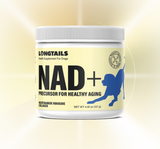
LongTails' NAD+ Precursor supplement supports cellular health and vitality.
Choosing the Best NMN Supplement for Your Senior Dog
Selecting the right NMN supplement for your senior dog is crucial to ensure safety and effectiveness. Here are some factors to consider:
- Purity and Quality: Look for NMN supplements that have been third-party tested for purity and potency. This ensures that the product contains the stated amount of NMN and is free from contaminants.
- Formulation: NMN supplements are available in various forms, such as capsules, powders, and liquids. Choose a formulation that is easy to administer to your dog.
- Dosage: Consult with your veterinarian to determine the appropriate dosage of NMN for your senior dog based on their weight, health condition, and other medications they may be taking.
- Brand Reputation: Choose a reputable brand with positive reviews and a commitment to quality and transparency.
Considerations and Potential Side Effects
While NMN is generally considered safe, it's important to be aware of potential side effects and considerations:
- Digestive Upset: Some dogs may experience mild digestive upset, such as diarrhea or vomiting, when starting NMN supplementation. Start with a low dose and gradually increase it to minimize this risk.
- Drug Interactions: NMN may interact with certain medications. Consult with your veterinarian before giving NMN to your dog, especially if they are taking any prescription medications.
- Individual Variability: Every dog is different, and some may respond better to NMN supplementation than others. Monitor your dog closely for any signs of adverse effects and adjust the dosage accordingly.
It is important to remember that NMN supplements are not a replacement for proper veterinary care. Regular check-ups and a balanced diet are essential for maintaining your senior dog's health and well-being. Always consult with your veterinarian before starting any new supplement regimen.
References
[1] Yoshino, J., Mills, K. F., Yoon, M. J., & Imai, S. I. (2011). Nicotinamide mononucleotide, a key NAD+ intermediate, treats glucose intolerance by upregulating SIRT1 in skeletal muscle. Cell Metabolism, 14(4), 528-536.
[2] Gomes, A. P., Price, N. L., Ling, A. J., Moslehi, J., Montgomery, M. K., Rajman, L., ... & Sinclair, D. A. (2013). Declining NAD+ induces a pseudohypoxic state disrupting nuclear-mitochondrial communication during aging. Cell, 155(7), 1624-1638.
[3] Rajman, L., Chwalek, K., & Sinclair, D. A. (2018). Therapeutic potential of boosting NAD+ in aging and age-related diseases. Trends in Molecular Medicine, 24(7), 567-589.