The Best NMN for Dogs: Boosting Your Pup's Health
As our canine companions age, they may experience a decline in energy levels, cognitive function, and overall vitality. Nicotinamide mononucleotide (NMN) is emerging as a promising supplement to support healthy aging in dogs. Finding the best NMN for dogs involves understanding its benefits and how to choose a safe, effective product. This article explores the potential advantages of NMN for your furry friend, what to look for when selecting a supplement, and how it can help maintain their well-being.
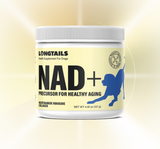
LongTails' NAD+ Precursor supplement supports cellular health and vitality.
Understanding NMN and Its Benefits for Dogs
NMN is a nucleotide derived from ribose and nicotinamide. In mammals, NMN is a precursor to nicotinamide adenine dinucleotide (NAD+), a crucial coenzyme found in all living cells. NAD+ plays a vital role in numerous biological processes, including energy production, DNA repair, and cellular signaling. As dogs age, their NAD+ levels naturally decline, which can contribute to age-related health issues. Supplementing with NMN helps maintain NAD+ levels, potentially supporting various aspects of canine health.
One of the primary benefits of NMN is its role in promoting healthy aging. By supporting NAD+ levels, NMN helps maintain cellular energy and function, which can help maintain overall vitality and well-being. Studies have shown that increasing NAD+ levels can support cognitive function, energy metabolism, and cardiovascular health. For older dogs experiencing age-related decline, NMN supplementation may offer a way to help them maintain a more active and comfortable life.
Furthermore, NMN may play a role in supporting metabolic health in dogs. NAD+ is essential for energy production and glucose metabolism. By supporting NAD+ levels, NMN can help maintain healthy metabolic function, which is particularly important for dogs prone to weight gain or metabolic disorders. A healthy metabolism can contribute to improved energy levels, weight management, and overall health.
How to Choose the Best NMN Supplement for Your Dog
Selecting the best NMN for dogs requires careful consideration of several factors. Not all supplements are created equal, and it's essential to choose a product that is safe, effective, and appropriate for your dog's specific needs.
- Purity and Quality: Look for NMN supplements that have been third-party tested for purity and potency. This ensures that the product contains what it claims to contain and is free from contaminants. Reputable manufacturers will provide a certificate of analysis (COA) to verify the quality of their product.
- Formulation: NMN supplements come in various forms, including capsules, powders, and liquids. Choose a form that is easy to administer to your dog. Powders can be mixed with food, while capsules can be given directly or hidden in a treat.
- Dosage: The appropriate dosage of NMN for dogs depends on their size, age, and health status. Consult with your veterinarian to determine the correct dosage for your dog. Start with a low dose and gradually increase it as needed, while monitoring your dog for any adverse effects.
- Ingredients: Check the ingredient list for any additives, fillers, or artificial ingredients that could be harmful to your dog. Choose a supplement with minimal ingredients and no unnecessary additives.
- Brand Reputation: Research the manufacturer and read reviews from other pet owners. Choose a brand with a good reputation for quality and customer service.
Potential Benefits of NMN for Canine Health
NMN supplementation has the potential to offer a range of benefits for canine health, particularly as dogs age. While more research is needed to fully understand the effects of NMN in dogs, preliminary studies and anecdotal evidence suggest that it can help maintain various aspects of their well-being. One of the key areas where NMN may be beneficial is in supporting cognitive function. As dogs age, they may experience a decline in cognitive abilities, such as memory and learning. By supporting NAD+ levels, NMN can help maintain healthy brain function and cognitive performance. This can translate to improved alertness, responsiveness, and overall mental acuity.
Another potential benefit of NMN is its role in supporting energy levels and physical performance. NAD+ is essential for energy production in cells, and by supporting NAD+ levels, NMN can help maintain energy and vitality. This can be particularly beneficial for older dogs who may experience fatigue or decreased activity levels. NMN supplementation may help them maintain a more active and engaged lifestyle. Furthermore, NMN may help maintain cardiovascular health in dogs. NAD+ plays a role in maintaining healthy blood vessel function and blood flow. By supporting NAD+ levels, NMN can help maintain a healthy cardiovascular system, which is essential for overall health and longevity. Learn more about NAD+.
Safety and Considerations
While NMN is generally considered safe, it's essential to take certain precautions when giving it to your dog. Always consult with your veterinarian before starting any new supplement, especially if your dog has any underlying health conditions or is taking medication. Your veterinarian can help you determine if NMN is appropriate for your dog and recommend the correct dosage.
Monitor your dog closely for any adverse effects after starting NMN supplementation. Common side effects may include mild gastrointestinal upset, such as diarrhea or vomiting. If you notice any concerning symptoms, discontinue use and consult with your veterinarian. It's also important to purchase NMN supplements from reputable manufacturers to ensure quality and safety. Look for products that have been third-party tested and have a certificate of analysis (COA) available.
References
Here are the references:
- Imai, S. I., & Guarente, L. (2014). NAD+ and sirtuins in aging and disease. Trends in Cell Biology, 24(8), 464-471.
- Rajman, L., Chwalek, K., & Sinclair, D. A. (2018). Therapeutic potential of nicotinamide mononucleotide (NMN): The current evidence. Nutrients, 10(12), 1943.
- Yoshino, J., Mills, K. F., Yoon, M. J., & Imai, S. I. (2011). Nicotinamide mononucleotide, a key NAD+ intermediate, treats glucose intolerance by upregulating SIRT1 in skeletal muscle. Cell Metabolism, 14(4), 528-536.