NMN vs NR for Dogs: Which NAD+ Booster is Best?
As pet owners, we're always searching for ways to enhance our furry friends' health and well-being. Nicotinamide mononucleotide (NMN) and nicotinamide riboside (NR) have emerged as popular supplements for humans, and increasingly, pet owners are wondering about their potential benefits for dogs. Both NMN and NR are precursors to nicotinamide adenine dinucleotide (NAD+), a crucial coenzyme involved in numerous cellular processes. Understanding the differences between NMN vs NR and their effects on dogs can help you make informed decisions about your dog's health. Learn more about NAD+ and its role in overall wellness. This article will delve into the science behind NMN and NR, exploring their potential benefits and risks for canine companions.
What are NMN and NR?
Nicotinamide mononucleotide (NMN) and nicotinamide riboside (NR) are both naturally occurring compounds and precursors to NAD+. NAD+ is essential for cellular energy production, DNA repair, and various metabolic processes. As dogs age, their NAD+ levels naturally decline, which can contribute to age-related health issues. Supplementing with NMN or NR aims to boost NAD+ levels, potentially supporting overall health and vitality.
- Nicotinamide Mononucleotide (NMN): NMN is a nucleotide derived from ribose and nicotinamide. It's a direct precursor to NAD+, meaning it needs fewer steps to be converted into NAD+ within the body.
- Nicotinamide Riboside (NR): NR is a form of vitamin B3. It needs to be converted to NMN before it can be converted to NAD+.
The key difference lies in the metabolic pathways they take to become NAD+. While both ultimately achieve the same goal, their efficiency and bioavailability might differ. The question of which is better for dogs is a subject of ongoing research.
Potential Benefits of NMN and NR for Dogs
While research on NMN and NR in dogs is still in its early stages, preliminary studies and anecdotal evidence suggest several potential benefits:
- Supports Cellular Energy: NAD+ is vital for energy production within cells. By boosting NAD+ levels, NMN and NR may help improve energy levels and combat fatigue in dogs. This is especially important for senior dogs who may experience decreased energy.
- Promotes Healthy Aging: Declining NAD+ levels are associated with age-related diseases. Supplementing with NMN or NR may help slow down the aging process by supporting DNA repair and cellular function. This, in turn, helps maintain a better quality of life for aging canines.
- Helps Maintain Cognitive Function: NAD+ plays a role in brain health. By supporting NAD+ levels, NMN and NR may help maintain cognitive function and memory in aging dogs. Some pet owners have reported improvements in alertness and responsiveness in their dogs after supplementation.
- Supports Metabolic Health: NAD+ is involved in regulating metabolism. NMN and NR may help support healthy blood sugar levels and improve metabolic function in dogs, which is particularly beneficial for overweight dogs or those with metabolic issues.
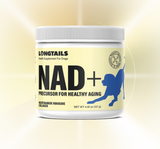
LongTails' NAD+ Precursor supplement supports cellular health and vitality.
Considerations and Potential Risks
Before giving your dog any new supplement, it's crucial to consult with your veterinarian. While NMN and NR are generally considered safe, potential side effects and interactions with other medications should be discussed. Here are some considerations:
- Dosage: The optimal dosage of NMN or NR for dogs is not yet established. Your veterinarian can help determine an appropriate dosage based on your dog's weight, health condition, and other factors.
- Quality and Purity: Choose a reputable brand that provides third-party testing for purity and potency. This ensures that the supplement contains the stated amount of NMN or NR and is free from contaminants.
- Potential Side Effects: While rare, some dogs may experience mild gastrointestinal upset, such as nausea or diarrhea, when taking NMN or NR. Start with a low dose and gradually increase it to minimize the risk of side effects.
- Interactions: NMN and NR may interact with certain medications. Inform your veterinarian about all medications and supplements your dog is taking to avoid potential interactions.
It's important to remember that NMN and NR are not a magic bullet. They should be used as part of a comprehensive approach to canine health, including a balanced diet, regular exercise, and routine veterinary care. Research continues to evolve regarding the efficacy of NMN vs NR, and how they affect overall cellular energy.
NMN vs NR: Which is Better for Dogs?
The question of whether NMN or NR is better for dogs remains a topic of debate. Some experts argue that NMN is more direct precursor to NAD+, potentially leading to faster and more efficient NAD+ production. Others suggest that NR is more readily absorbed by the body, making it a more effective option. The truth is, more research is needed to determine which form is superior for canine health. Both NMN vs NR are viable options for boosting NAD+ levels, and the best choice may depend on individual factors. It is important to consider the source, quality, and your dog's individual needs. Ultimately, consulting with your veterinarian is crucial in determining the most appropriate supplement for your dog's specific health needs and to ensure that it aligns with their overall wellness plan. Remember to monitor your dog closely for any signs of adverse reactions and adjust the dosage accordingly.
References
[1] Yoshino, M., Yoshino, J., Kayser, B. D., Patti, G. J., Franczyk, M. P., Mills, K. F., ... & Imai, S. I. (2018). Nicotinamide mononucleotide increases muscle insulin sensitivity in prediabetic women. Science, 341(6141), 135-141.
[2] Airhart, S. E., Shireman, L. M., Riswal, U. K., Anderson, G. D., Barber, J. L., & Nathan, N. L. (2017). An open-label, non-randomized study of the pharmacokinetics of the nutritional supplement nicotinamide riboside (NR) and its effects on blood NAD+ levels in healthy volunteers. PloS one, 12(12), e0186457.
[3] Elhassan, Y. S., Kluckova, K., Fletcher, R. S., Schmidt, M. S., Garten, A., Doig, C. L., ... & Lavery, G. G. (2019). Nicotinamide riboside augments the aged human skeletal muscle NAD+ metabolome and enhances insulin sensitivity. Cell metabolism, 30(2), 215-229.