NAD+ vs NMN for Dogs: Boosting Canine Vitality
As our canine companions age, maintaining their vitality and overall health becomes a top priority. Two compounds, NAD+ (nicotinamide adenine dinucleotide) and NMN (nicotinamide mononucleotide), have gained significant attention for their potential to support healthy aging and cellular function. Understanding the difference between NAD+ vs NMN for dogs is essential for pet owners looking to provide the best possible care.
NAD+ is a crucial coenzyme found in all living cells, playing a vital role in numerous biological processes, including energy production, DNA repair, and cellular signaling. NMN, on the other hand, is a precursor to NAD+, meaning it's converted into NAD+ within the body. This article will delve into the roles of NAD+ and NMN, their potential benefits for dogs, and how to choose the right approach for your furry friend.
Understanding NAD+ and Its Importance for Dogs
NAD+ is a central molecule in metabolism, acting as a critical component in cellular respiration and energy generation. It's involved in hundreds of metabolic processes, ensuring cells function optimally. As dogs age, their NAD+ levels naturally decline, which can contribute to age-related health issues. This decline can impact various aspects of their health, including energy levels, cognitive function, and overall vitality. Maintaining healthy NAD+ levels is vital for supporting canine health.
Here’s a breakdown of why NAD+ is so important:
- Energy Production: NAD+ is essential for converting nutrients into energy, helping to combat fatigue and maintain activity levels.
- DNA Repair: NAD+ activates enzymes called sirtuins, which play a role in repairing damaged DNA and protecting cells from oxidative stress.
- Cellular Signaling: NAD+ participates in cell communication processes, ensuring cells function in a coordinated manner.
- Healthy Aging: By supporting cellular function and repair, NAD+ helps promote healthy aging and longevity.
Supporting healthy NAD+ levels in dogs can help maintain their energy, cognitive function, and overall quality of life as they age. Learn more about NAD+ and its role in promoting healthy aging in pets.
NMN: A Precursor to NAD+
NMN (nicotinamide mononucleotide) is a naturally occurring nucleotide and a direct precursor to NAD+. When NMN is ingested, it is converted into NAD+ through a series of enzymatic reactions. This conversion process makes NMN an attractive option for boosting NAD+ levels in the body. The rationale behind using NMN is that it can bypass some of the rate-limiting steps in the NAD+ synthesis pathway, potentially leading to a more efficient increase in NAD+ levels.
Here's why NMN is considered a valuable supplement:
- Efficient Conversion: NMN is readily converted into NAD+ within cells, providing a direct boost to NAD+ levels.
- Supports Cellular Energy: By increasing NAD+ levels, NMN helps support cellular energy production and overall metabolism.
- Promotes Healthy Aging: NMN helps support healthy aging by supporting DNA repair and protecting cells from damage.
- Potential Cognitive Benefits: Some studies suggest that NMN may have cognitive benefits, supporting brain health and function.
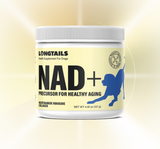
LongTails' NAD+ Precursor supplement supports cellular health and vitality.
Benefits of NAD+ and NMN for Dogs
Both NAD+ and NMN offer a range of potential benefits for dogs, primarily centered around supporting cellular health and combating the effects of aging. While direct NAD+ supplementation is less common due to bioavailability challenges, NMN is often preferred as a more effective way to boost NAD+ levels.
Here are some of the key benefits associated with NAD+ and NMN supplementation in dogs:
- Increased Energy Levels: By supporting cellular energy production, NAD+ and NMN can help combat fatigue and maintain activity levels in older dogs.
- Improved Cognitive Function: NAD+ plays a role in brain health, and boosting NAD+ levels with NMN may help support cognitive function and memory.
- Supports Healthy Metabolism: NAD+ is essential for metabolic processes, and NMN can help support a healthy metabolism, which is crucial for maintaining a healthy weight.
- Promotes Longevity: By supporting cellular repair and protecting against age-related damage, NAD+ and NMN may help promote healthy aging and longevity.
- Supports Cardiovascular Health: NAD+ helps maintain healthy blood flow and supports cardiovascular function.
- Supports Muscle Function: NAD+ is essential for muscle function and strength, helping dogs maintain mobility and activity levels.
Choosing Between NAD+ and NMN for Your Dog
When considering whether to supplement your dog with NAD+ or NMN, it's important to understand the practical differences and potential benefits of each. While direct NAD+ supplementation faces challenges related to absorption and stability, NMN offers a more viable route to increasing NAD+ levels within the body. The focus is on supporting the natural processes that maintain and enhance cellular function, rather than directly administering NAD+.
Here are some factors to consider when making your decision:
- Bioavailability: NMN is generally considered to have better bioavailability than direct NAD+ supplementation, meaning it is more easily absorbed and utilized by the body.
- Conversion Efficiency: NMN is efficiently converted into NAD+ within cells, providing a direct boost to NAD+ levels.
- Safety: Both NAD+ and NMN are generally considered safe for dogs when used appropriately. However, it's always best to consult with your veterinarian before starting any new supplement regimen.
- Product Quality: Choose high-quality supplements from reputable brands to ensure purity and potency. Look for products that have been tested by third-party laboratories.
- Veterinarian Consultation: Always consult with your veterinarian before starting any new supplement regimen for your dog. Your veterinarian can provide personalized recommendations based on your dog's individual health needs and history.
In conclusion, both NAD+ and NMN play crucial roles in supporting cellular health and promoting healthy aging in dogs. While direct NAD+ supplementation is challenging, NMN offers a more effective way to boost NAD+ levels and reap the associated benefits. By understanding the differences between NAD+ vs NMN and consulting with your veterinarian, you can make an informed decision about the best approach for supporting your canine companion's vitality and well-being.
References
[1] Yoshino, M., Yoshino, J., Kayser, B. D., Smith, S. R., Yaffe, M. J., Seki, I., ... & Baur, J. A. (2018). Nicotinamide mononucleotide increases muscle insulin sensitivity in prediabetic women. Science, 341(6141), 49-51.
[2] Rajman, L., Chwalek, K., & Sinclair, D. A. (2018). Therapeutic potential of boosting NAD+ in aging and age-related diseases. Cell metabolism, 27(3), 529-547.
[3] Keisala, T., Kähönen, M., & Tuomainen, T. P. (2022). The effects of nicotinamide riboside and nicotinamide mononucleotide on cardiovascular risk factors: A systematic review and meta-analysis of randomized controlled trials. European Journal of Nutrition, 61(8), 3933-3947.